The Scout’s Guide to Camping in Winter
Sleep Warm and Stay Safe
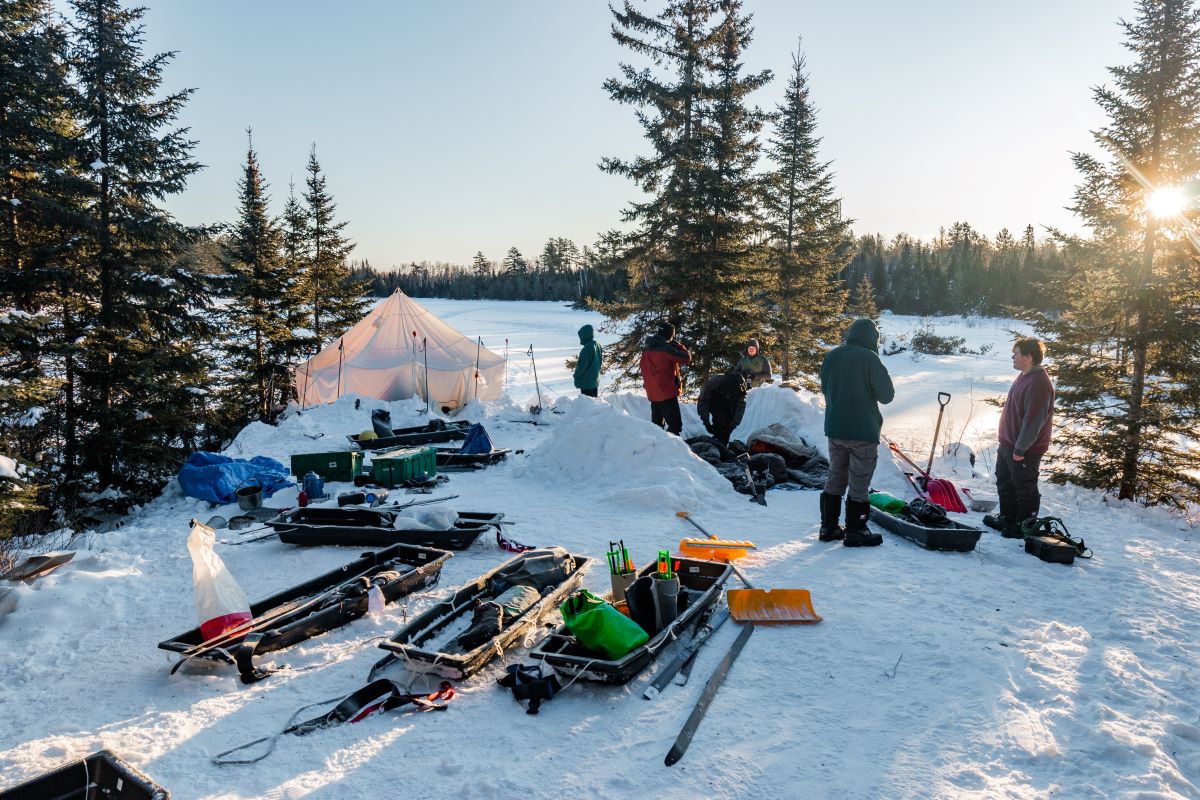
Sleep matters in winter. Cold nights test your planning, so set up a sleep system that protects your body heat. Use a tent that shields from the wind. Pick a size that gives you room to sit and move. Avoid low spots where cold air settles at night.
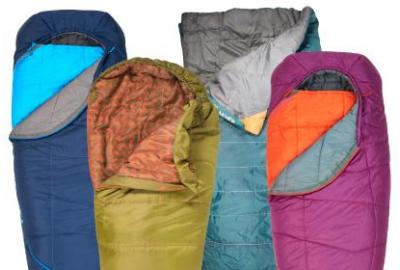
Choose a sleeping bag rated for cold weather. Look for a bag that protects at lower temperatures than the forecast. A hood helps hold heat near your head. A sleeping pad adds insulation from the frozen ground. Never sleep directly on snow or bare earth.
Go to bed dry. Change into dry layers before sleeping. Wet clothes cool your body fast, even inside a sleeping bag.
Fire and Heat Safety
Fire helps you cook and stay warm. It also gives comfort in long, dark hours.
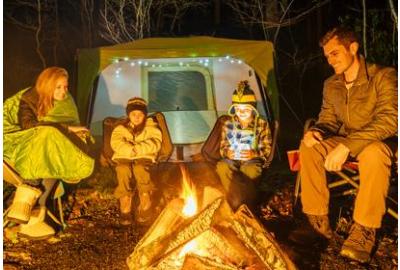
Start fires with dry tinder and kindling. Carry reliable fire starters in a waterproof container. Shield your fire from the wind and never leave it unattended. Build fires only in safe, approved areas. Keep water close to control embers.
Never use open flames inside a tent. Carbon monoxide is dangerous. Instead, heat your space by insulating the ground and walls. Body warmth and proper layers do more than an open fire ever could.
First Aid and Health
A first-aid kit is essential. It should include bandages, antiseptics, blister care, and basic medications. Watch for frostbite and hypothermia. Pale skin, numb fingers, shivering, and confusion are warning signs. Move to shelter, warm slowly, and seek help if symptoms worsen.
Stay hydrated. Cold weather masks thirst. Drink water often. Eat steady meals to fuel your body.
Even if you spend more time lying in your tent as the snow falls, it's important to remember that accidents do happen. As part of your Scout Basic Essentials, we recommend the Scouting America Scout First Aid Kit to help you be prepared for any situation. Whether your trip is in the winter or summer, you should always bring a first aid kit with you in the outdoors to prevent minor injuries, like scrapes and burns, from becoming much more severe. This first aid kit fits perfectly in your daypack and includes bandages, sterile gauze pads, antibiotic ointment, and more.

Smart Layering and Clothing
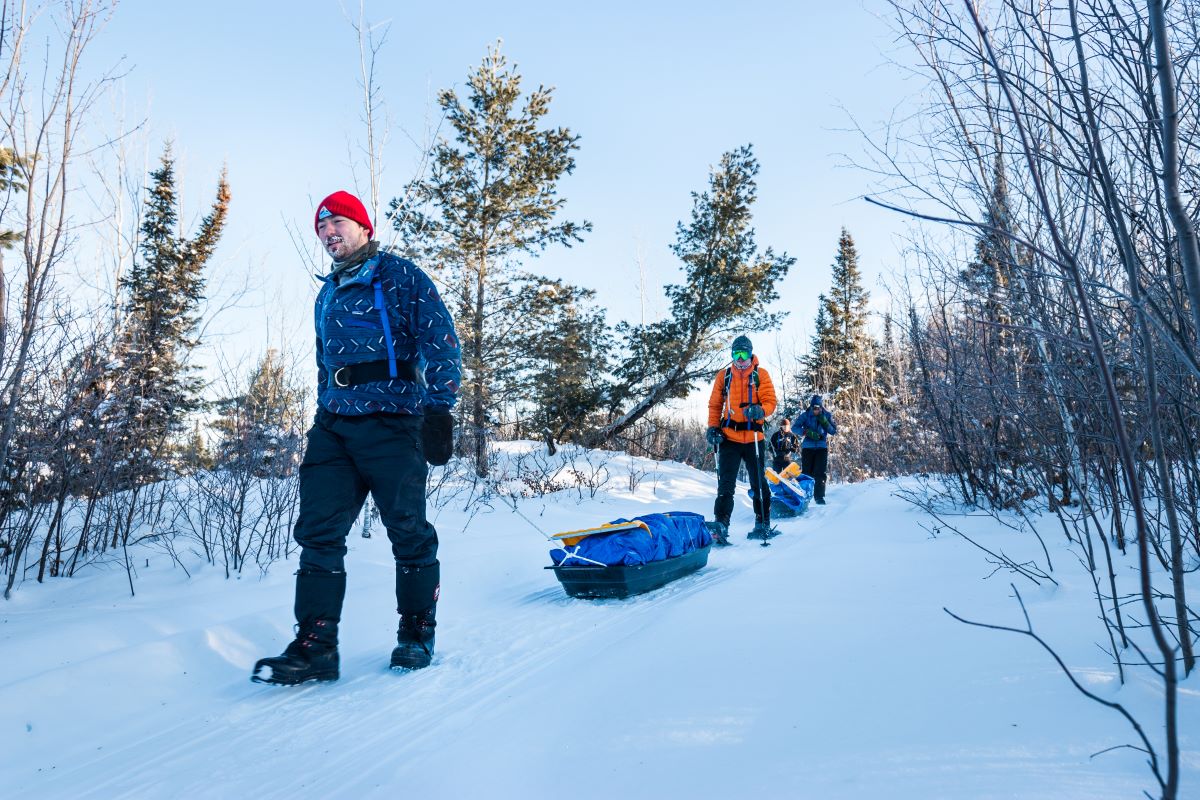
Layer your clothing. Start with moisture-wicking base layers. Add insulating layers like fleece or wool. Finish with a windproof and waterproof outer layer. Wear a warm hat, gloves, and thick socks. Pack extra socks and switch if yours get damp. Dry feet help you stay active and safe.
Avoid cotton. It holds moisture and cools your body.
Don't Forget a Fire Starter When You Camp in the Snow
Any Scout can tell you that fire will be your constant companion on outdoor adventures. Whether you're on a day hike or weekend camping excursion, campfires play a vital role in the great outdoors. From cooking your food, giving you light, and keeping you warm, nothing beats gathering around the glowing embers under the stars. However, starting a campfire can get a bit tricky in the winter. For an easy experience, we recommend the 25 pack of UCO Titan Stormproof Matches for $9.99. With these matches, you're rest assured to have the longest-burning, windproof, and waterproof matches to guard against the elements. And though it may be hard to believe, these matches will even re-light after being submerged in water!
Pro tip: Brush away the snow from your desired location to build a campfire.
Light and Navigation
Ready to Camp in the Snow?
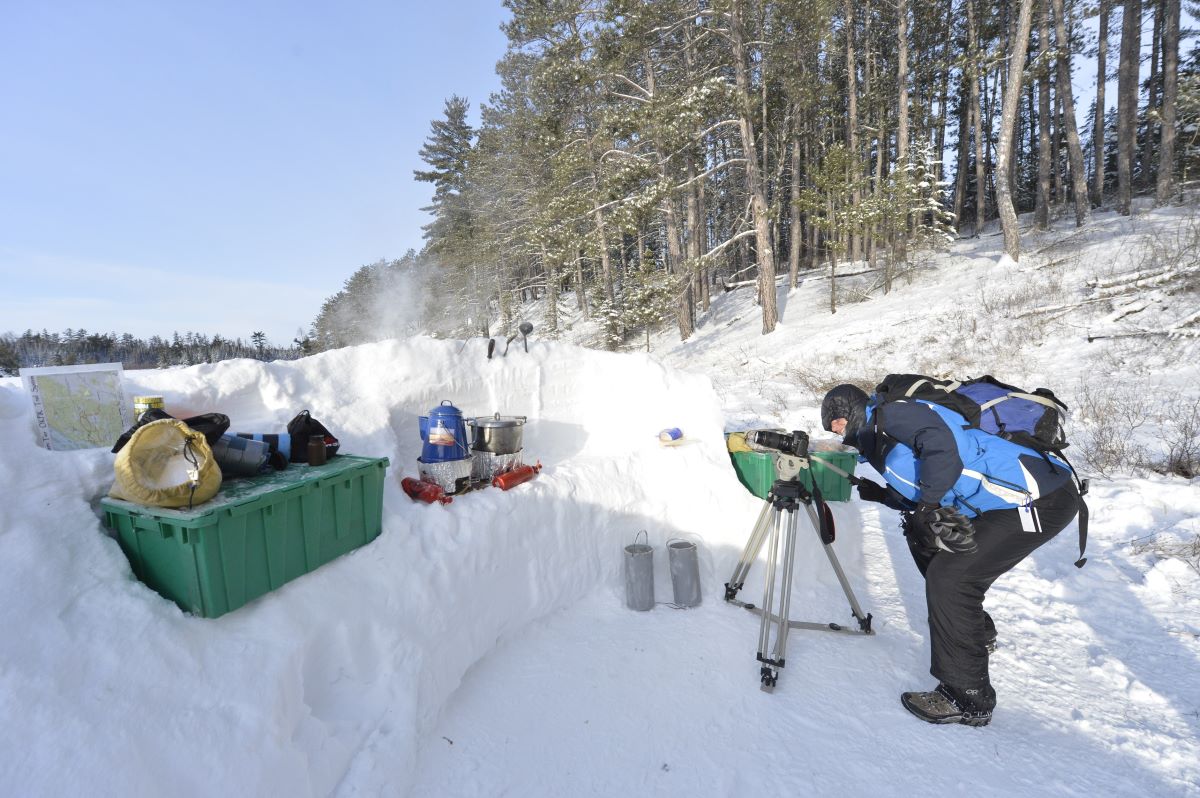
Winter camping takes preparation and discipline. It rewards you with peace, quiet, and confidence. With the right skills and awareness, you can explore safely and enjoy every moment outdoors. Winter does not stop adventure. It asks you to prepare and respect the environment before you step outside.
Don't let the snow discourage you from enjoying the beauty of the great outdoors! With careful planning and preparation, you can stay warm and safe even on a snowy day. For more winter gear and camping equipment, visit ScoutShop.org, the official online retailer of Scouting America.