

Clip Blade vs Spey Blade? What You Need to Know
Pocket knife users talk about blade shape for a reason. Each blade does a job. When you understand what each shape does, you make better cuts. You stay safer. You get more done outdoors, in camp, and in everyday tasks.
Two classic blades stand out for outdoor learning and scouting gear: the Clip blade and the Spey blade. You see them together on Trapper-style knives, but many other patterns use these shapes too. The two blades look simple, but their design comes from real cutting needs and real field use.
This guide breaks down what each blade does, when to use it, and how to choose between them.
What Is a Clip Blade?
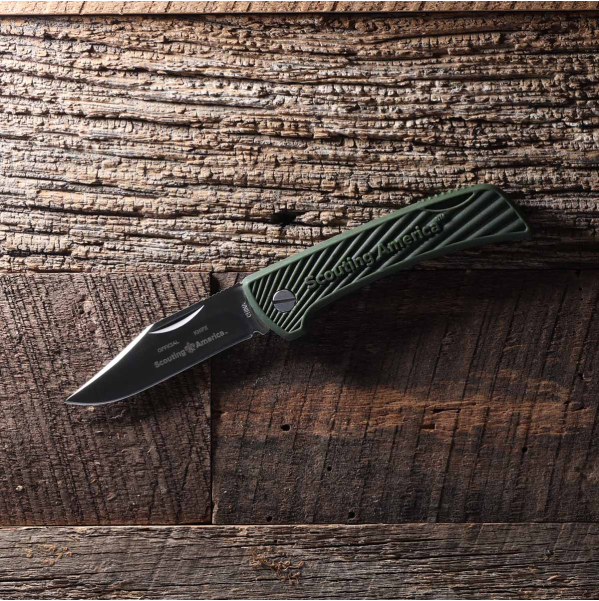
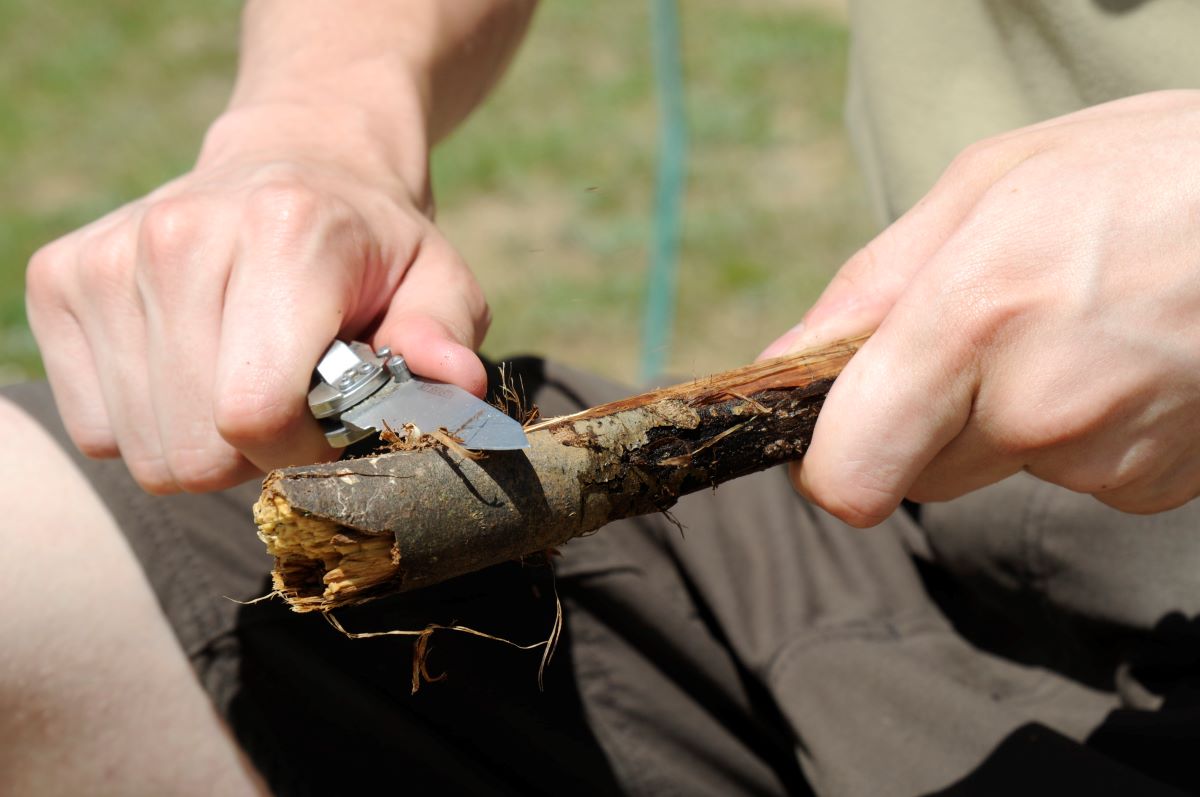
A Clip blade tapers to a fine, narrow point. The spine near the tip looks “clipped,” which gives the point sharp precision. You choose a Clip blade when you want control. It shines in tasks that need accuracy and shaping. If you enjoy carving wood shavings for fire starting or shaping a tent stake, this blade works well.
Clip Blade Strengths
-
Precise tip for detail cuts
-
Strong control in tight areas
-
Good for carving wood
-
Useful for trimming paracord and rope ends
-
Works well for slicing and puncture-start cuts
-
Helps with camp projects that need accuracy
The Clip blade gives you clean work when you need focus. It rewards proper grip and steady pressure.
What Is a Spey Blade?
A Spey blade has a rounded tip and a straight cutting edge. The shape prevents accidental punctures, which makes it safer for controlled slicing. It was designed for field dressing small game, but the rounded nose has value in everyday cutting too.
You pick a Spey blade when you want smooth slices without the risk of poking or tearing material by accident.
Spey Blade Strengths
-
Rounded tip for safety
-
Clean slicing action
-
Ideal for food prep in camp
-
Works well for rope and cord
-
Reliable utility blade for general tasks
-
Good for shaving wood and preparing tinder without digging in
The Spey blade protects you from unwanted puncture points. It supports users learning safe cutting habits.
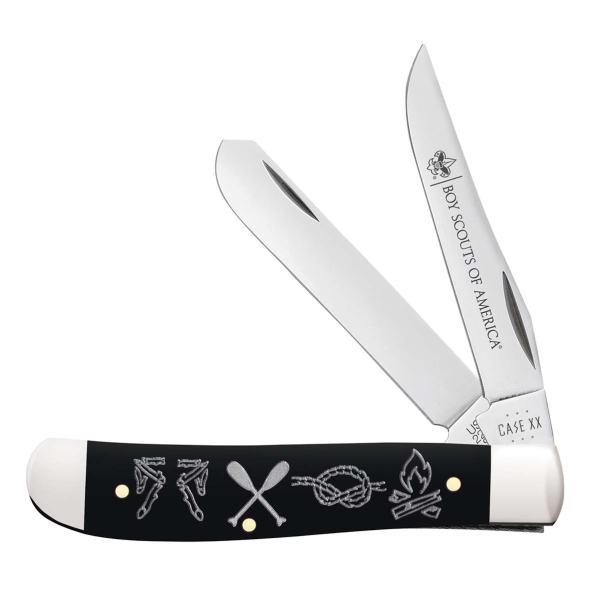
Clip Blade vs Spey Blade: A Side-by-Side Comparison
| Feature | Clip Blade | Spey Blade |
|---|---|---|
| Tip Shape | Slim, sharp point | Rounded tip |
| Best For | Precision cuts and detail work | Smooth slicing and safe utility |
| Strength | Control and finesse | Safety and predictable motion |
| Outdoor Use | Wood carving, rope trimming, precision camp tasks | Food prep, rope cutting, and general camp chores |
| Learning Value | Builds fine-cut technique | Builds safe cutting habits |
Both blades give you useful skills. The Clip teaches precision. The Spey teaches controlled pressure and safety awareness.
Which Blade Should You Use First
If you are learning knife skills or teaching new users, start with the Spey blade. It lowers the chance of slips that involve puncture points. It builds confidence with straight cuts and steady hand motion.
Once you feel comfortable with safety and grip, move to the Clip blade for finer detail tasks. You will feel the difference in tip control immediately.
Why Outdoor Users Like Having Both
Two blades give you options. You stay efficient because you do not force one blade to do every job. You protect edge life by using the right blade for the right task. You gain skill by switching between precision and utility.
Many experienced outdoors users carry both shapes because each blade teaches discipline. You get smoother technique when you change blades based on the cut, not habit.
Maintenance Tips for Both Blades
A sharp blade is safer. It cuts cleanly with less pressure. Keep both blades ready.
-
Wipe blades after use
-
Remove dirt and moisture
-
Use a light oil on the pivot
-
Hone the edge often instead of waiting for it to get dull
-
Store your knife clean and dry
Treat the tool well, and it will perform every time you reach for it.
Final Thoughts
Blade shape matters. A Clip blade gives you control and fine cutting ability. A Spey blade gives you safe slicing and steady work. Both shapes build real outdoor skills when paired with good habits and calm technique.
If you enjoy hands-on learning, carry both. Use the Spey blade for general tasks and controlled slicing. Switch to the Clip blade when you need accuracy. Over time, you will feel how each edge behaves and how each cut improves.
Knife skill is not about style. It is about understanding your tool, practicing safety, and choosing the right blade for the right job. Two blades, two cutting approaches, one clear goal—competence you can trust in the field and on every adventure.
